 GAPO
GAPO
GAPO
GAPO
Empowering Women, Youth & Children Through Community Development
GAPO delivers its activities through 8 strategic thematic areas that focus on building local capacity, promoting sustainable development, and empowering vulnerable groups - especially women, youth, and children across South Sudan.
Our work is built on five core values: Integrity, Inclusivity, Respect, Commitment, and Collaboration with government, civil society, and international agencies.
Training and awareness programs on constitutional rights, duties, and democratic participation. We empower citizens to understand their role in governance and decision-making processes.
Facilitation of community dialogues, mediation and peace forums. We promote a culture of peace, non-violence, and tolerance through community engagement and trauma healing.
Vocational and entrepreneurship programs to reduce unemployment. We equip young people with leadership skills and create mentorship networks for youth engagement.
Special focus on eliminating gender inequality in education and empowering war widows. We ensure girls' equal and full access to quality basic education across all levels.
Comprehensive programs to prevent gender-based violence and protect children's rights. We create safe environments and advocate for the protection of vulnerable populations.
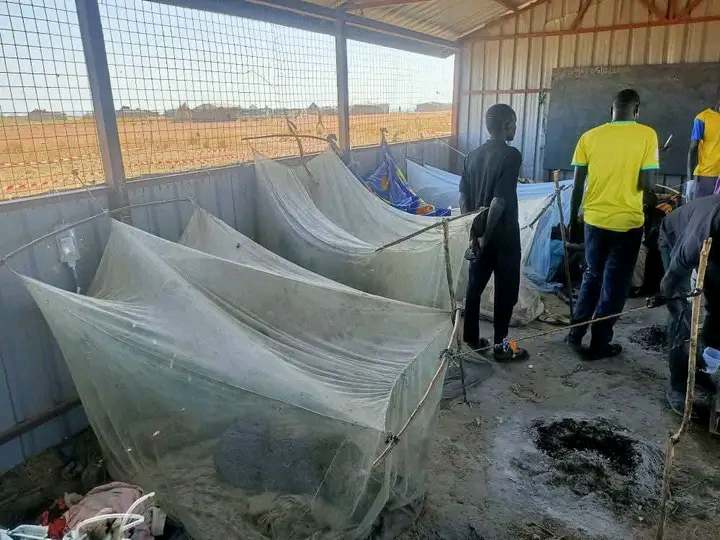
Water, sanitation, and hygiene programs alongside healthcare services. We partner with hospitals and health facilities to improve community health outcomes.
Empowering youth to take agriculture seriously through establishment of agricultural cooperative groups and fisheries programs with communities.
Policy advocacy, documentation, and dissemination of information on civic and peace issues. We work with media institutions to amplify community voices.
Capacity building for youth, women, and local leaders in governance and accountability
Special training programs for women, especially war widows, to develop leadership skills and participate actively in community governance and decision-making processes.
Empowering young people through school peace clubs to lead positive change and act as ambassadors of peace and development in their communities.
Training sessions for local chiefs, peace committees, and community leaders in conflict prevention, resolution, and promoting accountability at grassroots level.
Ensuring quality education and equal access for all children, particularly girls, with focus on primary and secondary education in conflict-affected areas.
Training and dialogue sessions for families and caregivers to support community healing and create nurturing, peaceful environments for women and children.
Creating mentorship networks and innovation hubs where youth and women can develop entrepreneurial skills and access resources for economic empowerment.
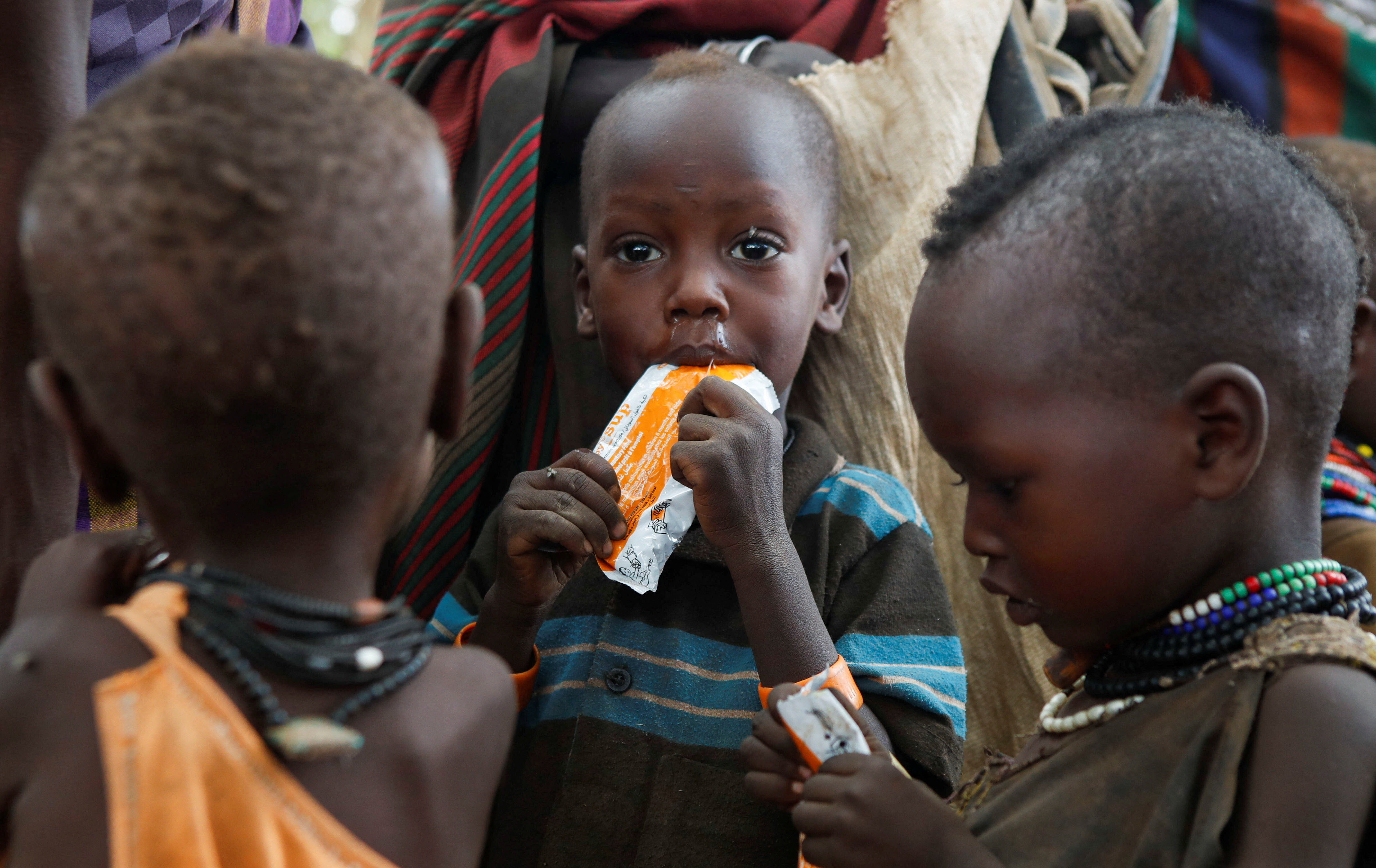
Our special focus on women empowerment, particularly war widows, and children's education addresses the critical needs of South Sudan's most vulnerable populations.
By eliminating gender inequality in education and ensuring girls' equal access to quality basic education, we build a foundation for lasting peace and prosperity.
Through vocational training, entrepreneurship programs, and leadership development, we equip youth with the skills needed to reduce unemployment and drive economic development.
Our mentorship networks and innovation hubs create opportunities for young people to participate actively in governance and become architects of South Sudan's future.
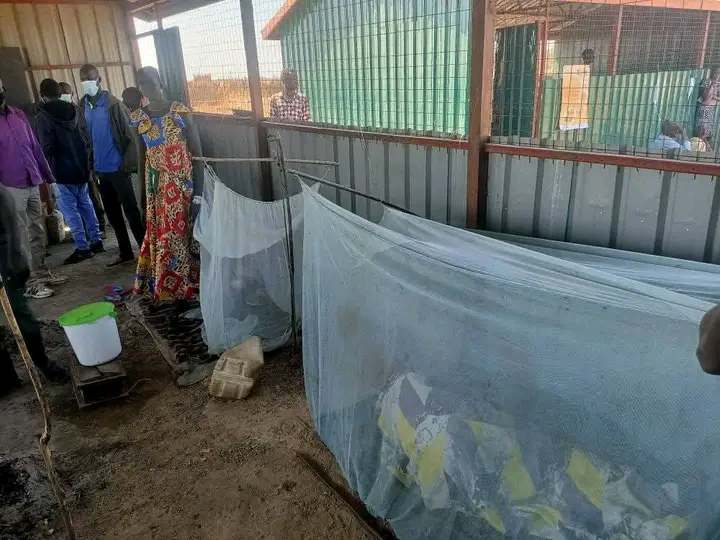
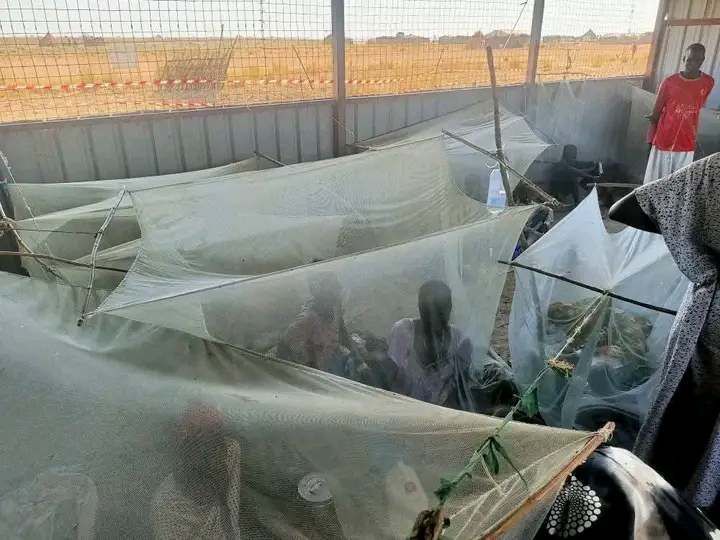
Our community-based approach brings together women's groups, local chiefs, peace committees, and faith-based organizations to create sustainable solutions.
Through dialogue, reconciliation, and collaborative initiatives, we strengthen social cohesion and promote unity across Central Equatorial and Jonglei states.
GAPO operates across multiple states in South Sudan, bringing hope and development to communities
Main Office: Juba Nabari, Central Equatorial State
Jonglei State: Bor, Twic East, Fangak, Pigi, Ayod, Uror, Duk counties
Serving women, youth, children, and persons with disabilities
Our programs are made possible through partnerships with government institutions, UN agencies, civil society organizations, and supporters who believe in empowering women, youth, and children for a peaceful South Sudan.